
Pack for the dog like you’d pack for a toddler who can’t tell you what’s wrong: bring the familiar things, plan for accidents, and don’t assume the cottage has what you need. Get that right and the packing list looks after itself.
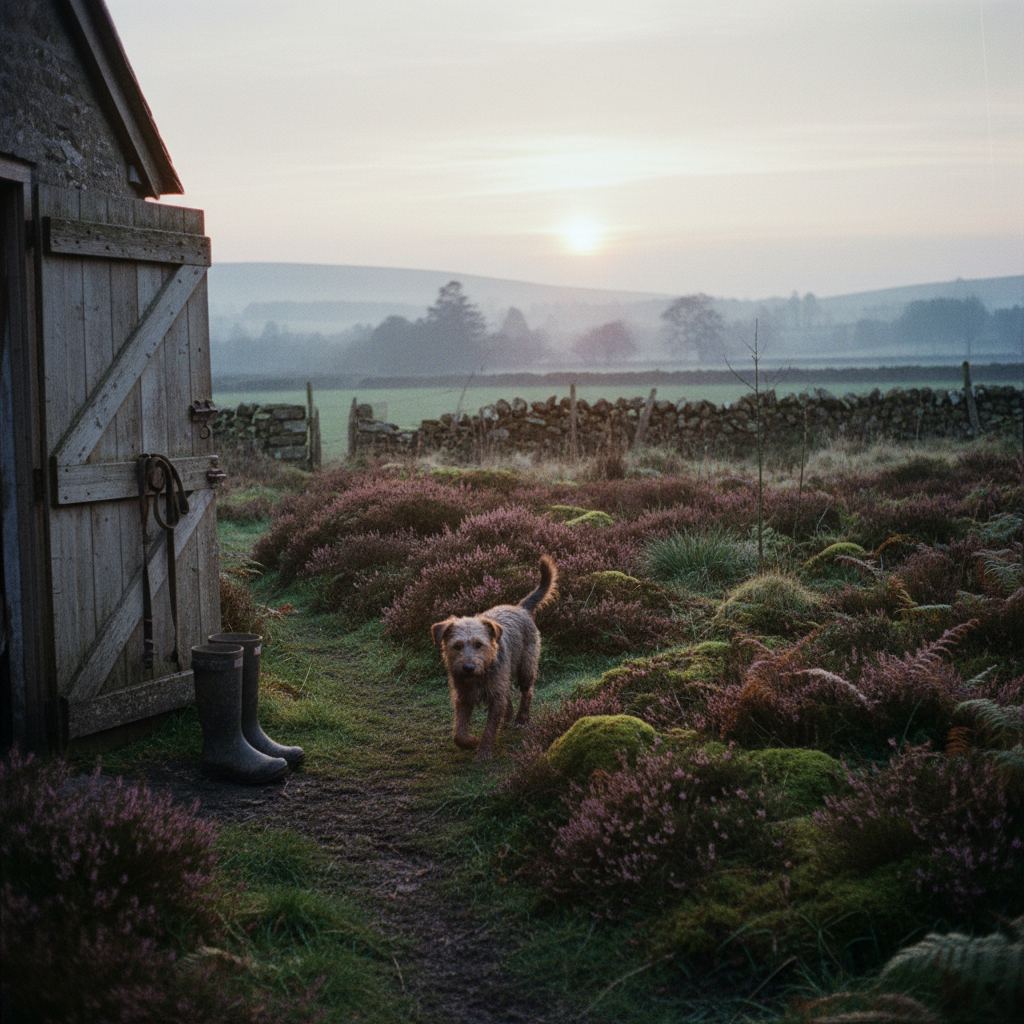
What actually needs to go in the car?
The non-negotiables are food (enough for the whole trip plus two spare days, in case you’re delayed), water and bowls, bedding that smells like home, a lead and collar with an up-to-date tag, poo bags, and any medication with a note of the dosage in case someone else needs to give it. After that it’s about comfort and containment — old towels for wet dogs, a favourite toy, and a stain remover suited to whatever your dog tends to bring in on their paws.
What should be on the packing checklist?
Here’s the list we’d actually pack, split by how essential it is:
| Item | Priority | Why |
|---|---|---|
| Food + treats (trip length + 2 days) | Essential | Sudden diet changes upset stomachs fast |
| Water + travel bowl | Essential | Don’t assume service stations have shade or water |
| Bed or blanket from home | Essential | Familiar smell settles a dog faster than anything else |
| Lead, collar, ID tag | Essential | Legal requirement in public in England and Wales |
| Poo bags (bring more than you think) | Essential | Rural bins are scarcer than town ones |
| Vaccination record / pet passport | Essential | Some activity providers and kennels ask for it |
| Old towels | High | For wet dogs, wet paws, wet everything |
| First-aid basics (antiseptic, tick remover, vet’s number) | High | Ticks are common in long grass and woodland |
| Long training line | High | For beaches and open land with livestock nearby |
| Stain and odour remover | Medium | Cottage deposits are real; sand and mud are relentless |
| Familiar toy | Medium | Comfort object, same logic as the bedding |
| Travel crate | Situational | Only if your dog already crate-trains at home |
| Coat or drying coat | Situational | Depends on season and breed |
Will the cottage have a garden I can actually trust?
Check before you book, not after you arrive. “Dog-friendly” on a listing can mean anything from a fully enclosed garden with secure fencing to “dogs tolerated, no outdoor space to speak of.” If a secure garden matters to you — and if you’ve got a dog who bolts at squirrels, it should — look for that stated explicitly, and message the owner if it isn’t. Our dog friendly cottages are flagged clearly for garden security and boot-room access, because we’ve had enough owners tell us the hard way that it matters.
A dog that’s never off the lead at home won’t magically become reliable off it just because the view’s nicer.
What if my dog isn’t used to new places?
Some dogs settle into a new cottage within the hour; others take the whole first day to stop pacing and start relaxing, and that’s completely normal rather than a sign you’ve made a mistake. Bring whatever calms them at home — a specific blanket, a particular chew, background noise from your phone if that’s their thing — and resist the urge to overwhelm them with a big first walk before they’ve had a chance to settle indoors. A quieter first evening, even if you’d planned an ambitious first outing, usually pays off with a much easier rest of the week.
What’s the etiquette for pubs and beaches?
Most UK pubs that welcome dogs expect them settled on the floor, not on the furniture, and most will offer a water bowl if you ask — few will offer one unprompted. On beaches, check the seasonal signage every single time, even if you visited last year; restrictions do shift. If you’re heading to the coast specifically, our dog friendly beaches in Cornwall guide breaks down which beaches run seasonal dog restrictions and which stay open all year, so you’re not working it out from a faded noticeboard in the rain.
What do people forget every single time?
Two things, without fail. First: enough food. It’s heavy, it’s bulky, and it’s the first thing left behind when the boot’s already full — but a sudden switch to unfamiliar food is the fastest route to a ruined weekend for everyone. Second: the dog’s own bed. A strange cottage, a strange smell, a strange creak in the floorboards at 2am — a familiar bed in the corner does more to settle a dog than anything else you can pack.
Should you visit somewhere specific for the first trip?
If this is your dog’s first proper holiday, pick somewhere forgiving rather than ambitious. The Lake District’s dog friendly cottages are a good first outing — gentle valley walks, plenty of lower-level paths that don’t demand a head for heights, and enough dog friendly pubs that you’re never stuck. Save the more remote, more dramatic spots for once you know how your dog actually travels.
What should we sort out before we even leave home?
A quick health check pays off more than most people realise. If you’re travelling in warmer months, make sure flea and tick treatment is current — long grass and woodland on most UK breaks are exactly where ticks pick up a ride. If your dog’s on any regular medication, pack more than you think you’ll need; a delayed journey home is the worst time to discover you’re a day short. And if you’re using a sitter or a kennel partway through a longer trip, check they’ll accept your dog’s existing vaccination schedule rather than assuming — some ask for boosters you didn’t know were due.
How do we actually travel safely with a dog in the car?
A loose dog in a moving car is a genuine hazard, to them and to you, whatever the length of the journey. A crash-tested harness clipped to a seatbelt, a secured crate, or a proper dog guard behind the back seats — pick one and use it every trip, not just the long ones. Build in a stop every couple of hours on longer drives for water and a leg-stretch; a dog that’s been rigid with anxiety in the footwell for three hours arrives at the cottage wound up rather than relaxed, and that first impression of the place matters more than you’d think.
What happens when we actually arrive?
Give your dog ten minutes to just sniff around the immediate area on a lead before anything else — the garden, the entrance, wherever they’ll be spending time — rather than throwing the door open and hoping for the best. It settles them faster than being ushered straight inside to an unfamiliar kitchen. Keep the first meal and the first walk close to their normal routine and timing if you can; consistency in the small things buys you a lot of slack in the big unfamiliar ones.
The one habit worth building before you leave
Do a full walk-through of the cottage the moment you arrive, with the dog on the lead, before you let them loose. Check for gaps in garden fencing, low walls, anything on a low table they could reach. It takes five minutes and it means the rest of the holiday is just that — a holiday, not a slow-motion game of “where’s the dog now.”